Does It Snow in Zion National Park?
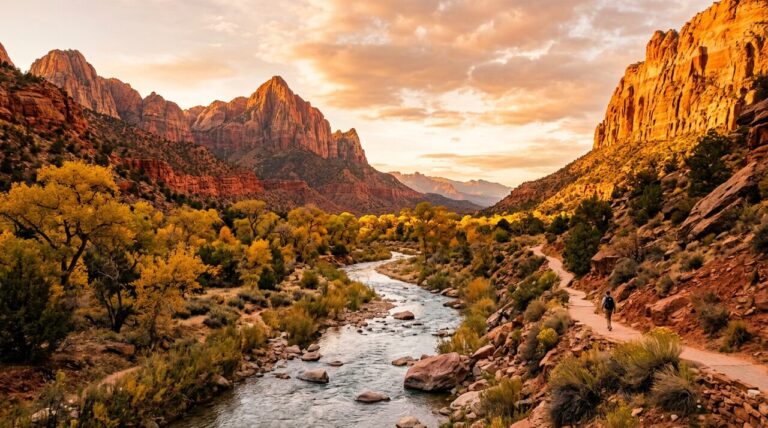
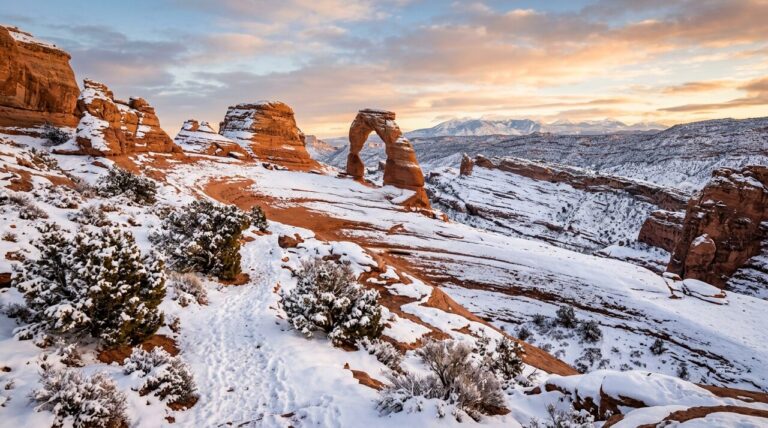
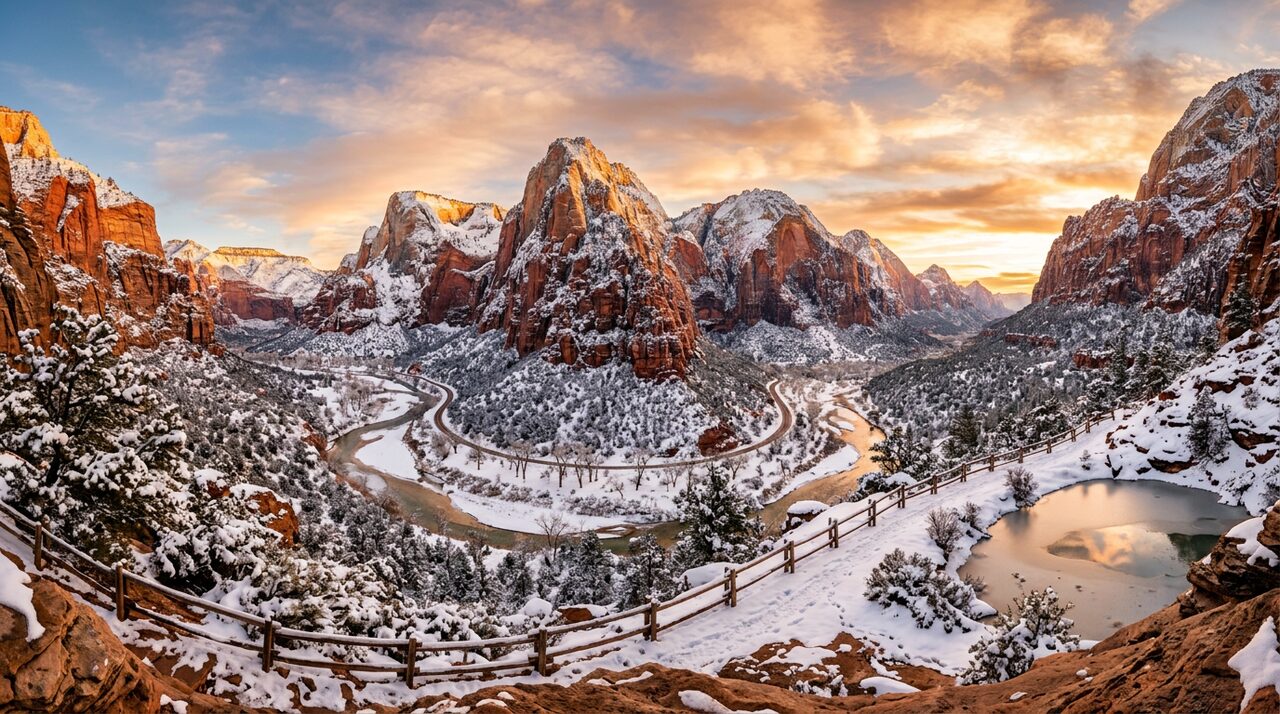
Yes, it snows in Zion — but where you stand decides how much you see. Down on the Zion Canyon floor and in Springdale (around 3,900 feet), winter snow is usually a light dusting that melts within hours as daytime highs climb into the 40s and 50s. Climb to the East Entrance (5,700 feet) or the high backcountry above 7,000 feet and it’s a different world: those upper elevations average around 13 feet of snow in a typical winter. That elevation split — bare red rock on the canyon floor, deep snowpack on the rims and plateaus — is the single most important thing to understand about a Zion winter.
How much snow the canyon floor really gets
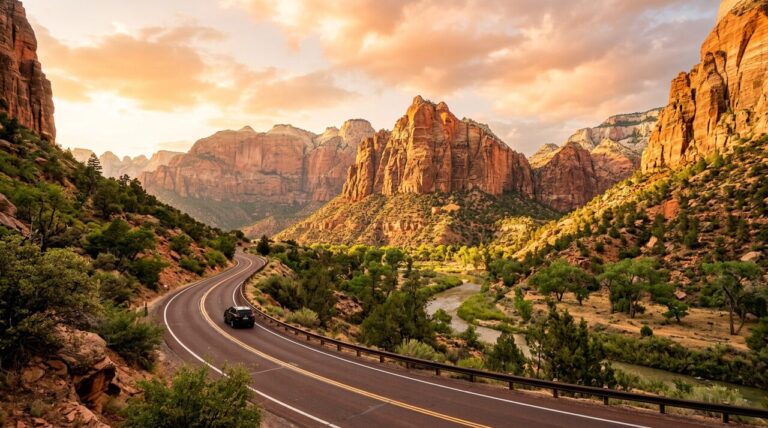
The main Zion Canyon, where most visitors spend their time, sits low and warm by Utah standards. At roughly 3,900 feet, the South Entrance and Springdale see only occasional light snow, and it rarely lasts. The record from a single storm is just over a foot, but that’s the exception — most winter days bring a dusting at most, often melting off by midday. Daytime highs commonly reach the upper 40s to mid-50s, with overnight lows in the 20s and 30s, so a snowy sunrise frequently gives way to a dry, clear afternoon perfect for hiking the Pa’rus Trail or the lower Emerald Pools.
The high country is buried
The contrast is dramatic the moment you gain elevation. Drive in from the east through the Zion–Mount Carmel Tunnel toward the 5,700-foot East Entrance and you’ll find noticeably colder air and far more snow on the slickrock. Higher still, the Kolob Terrace and the backcountry plateaus above 7,000–8,000 feet hold deep snow all winter and average roughly 13 feet a year. This is why trails like Observation Point from the top, the West Rim, and anything on Kolob can be snowed in or icy when the canyon floor below is dry — and why the road to Kolob Terrace closes seasonally.
What most people get wrong
The common mistake is treating “Does it snow in Zion?” as a yes-or-no question. The honest answer is “it depends on the elevation,” and visitors who ignore that get caught two ways. First, they assume the whole park is snow-free because Springdale looks clear — then hit ice on a shaded switchback at altitude. The real winter hazard at Zion isn’t deep snow on the valley floor; it’s ice on shaded trails and slickrock, especially on Angels Landing’s chains and the upper sections of popular hikes, where sun never reaches and a thin glaze lingers for days. Second, people pack for either “desert” or “snow” instead of both. Microspikes plus layers you can shed by afternoon are the winning combination. Angels Landing’s final chained section and Observation Point are the spots most likely to be closed or genuinely dangerous when ice forms.
Where to stay: Springdale sits right at Zion’s South Entrance, so you can walk or take a quick shuttle to the canyon — ideal for a winter trip where you want to start hikes after the morning ice burns off. Compare hotels, lodges, and cabins near the park gate.
Frequently asked questions
What months does it snow in Zion National Park?
Snow is possible from late November into March, but December, January, and February are when it’s most likely. January is typically the coldest month, with the best odds of snow at all elevations.
Does snow stay on the ground in Zion Canyon?
Usually not. On the canyon floor around 3,900 feet, snow tends to melt within hours to a day as daytime highs reach the 40s and 50s. Higher elevations hold snow far longer — often all winter.
Is Zion National Park open in the winter?
Yes. Zion is open year-round, and winter is one of the quietest, most beautiful times to visit. The Zion Canyon Scenic Drive is open to private vehicles in winter (no shuttle required for most of the season), though the Kolob Terrace Road closes when snow arrives.
Do I need special gear to hike Zion in winter?
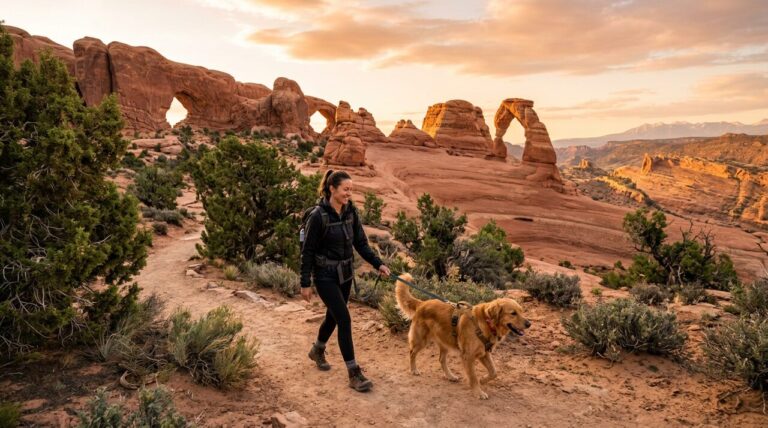
For canyon-floor trails, sturdy shoes and warm layers are usually enough. For anything with elevation, shade, or chains — Angels Landing, Observation Point, the West Rim — pack microspikes or traction devices, because ice, not snow depth, is the main danger.
How cold does Zion get in winter?
On the canyon floor, expect daytime highs in the upper 40s to mid-50s and overnight lows in the 20s and 30s. The East Entrance and high country run considerably colder, often well below freezing during the day.
Keep planning your trip: Zion National Park guide · Best Time to Visit Utah · 7-Day Utah Road Trip