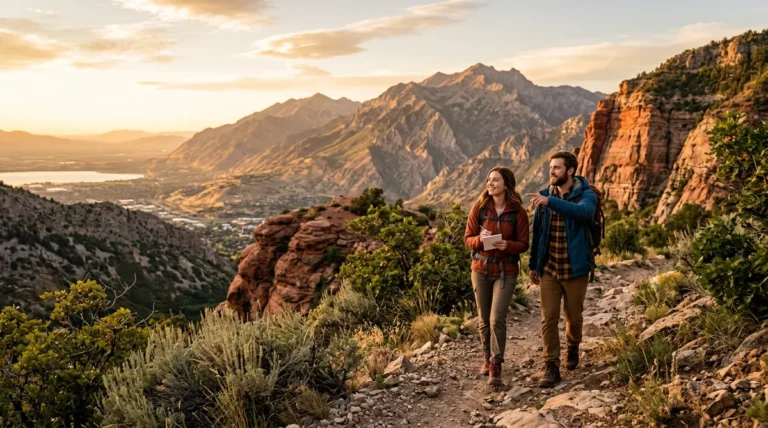

Best Photography Spots in Utah 2026: When to Go & What to Shoot
Best Photography Spots in Utah 2026: When to Go & What to Shoot
Utah is a photographer’s paradise — red rock arches, hoodoo forests, slot canyon light beams, alpine reflections, and Milky Way skies over desert landscapes. These are the must-shoot locations for 2026, with timing recommendations for each.
Book Guided Utah Tours & Experiences
Find 500+ Utah tours, hikes, and adventures on Viator — guided canyon walks, photography tours, ATV adventures, and more. Skip the hassle, go with an expert.
Browse Utah Tours →
Free cancellation on most tours · Verified reviews · Instant confirmation
Iconic Utah Photography Locations
1. Mesa Arch at Sunrise — Canyonlands
The most photographed sunrise in Utah. The arch frames the canyon below, and the underside glows orange and red as the sun rises behind you. Arrive at least 45 minutes before sunrise to secure a spot. Weekend mornings can have 30+ photographers lined up in peak season.
2. Delicate Arch at Sunset — Arches
Utah’s state symbol is best photographed at golden hour when the arch glows against a deep blue or star-filled sky. The 3-mile hike takes 45–60 minutes — plan your departure from the trailhead 2.5 hours before sunset.
3. The Wave — Coyote Buttes North
One of the most difficult permits to get in the entire national park system — only 64 people per day. The undulating sandstone formations are best photographed mid-morning when light is soft. A lottery win here is worth serious effort.
4. Horseshoe Bend — Page, AZ (1 hour from Utah)
Technically Arizona, but a natural add-on to any southern Utah trip. The Colorado River makes a 270-degree bend viewed from a 1,000-foot cliff. Golden hour light hits the water best in late afternoon. Wider lens (16–24mm) recommended.
5. Bryce Canyon Hoodoos at Sunrise
Sunrise Point and Inspiration Point at Bryce Canyon offer spectacular views of thousands of hoodoos catching pink and orange light. Winter morning shots with snow on the hoodoos are some of the most striking images in all of American photography.
6. Zion Narrows
The walls of the Virgin River Narrows glow amber and orange when indirect light reaches the canyon floor mid-morning. A waterproof camera or dry bag is essential. Best in fall when water levels are low.
7. Milky Way Over Utah Desert
Southern Utah has some of the darkest skies in the lower 48. Capitol Reef, Valley of the Gods, and Bears Ears National Monument are exceptional dark sky sites. New moon periods in summer offer the best Milky Way core visibility.
Gear Recommendations for Utah Photography
- Wide-angle lens (16–24mm) for landscapes and arches
- Polarizing filter for reducing haze and boosting color saturation
- Neutral density filters for long exposures on rivers and waterfalls
- Sturdy tripod for sunrise/sunset and night photography
- Extra batteries — cold desert mornings drain them fast
Frequently Asked Questions
What time of year is best for photography in Utah?
Late March through May for wildflowers and green desert. October for fall color at higher elevations. January–February for snow-dusted hoodoos at Bryce. Any season works — Utah’s light is extraordinary year-round.
Do I need permits to photograph in Utah national parks?
Personal and editorial photography is generally permitted without a permit. Commercial photography and film productions require a permit from each park. Check with the specific park’s permit office for current rules.
Plan Your Utah Adventure
5 national parks, 740-mile scenic loop, unforgettable landscapes. Get the complete guide.
Related Reading
Frequently Asked Questions
What is the most photographed spot in Utah?
Delicate Arch at Arches National Park is Utah’s most iconic photograph, especially at sunset when alpenglow lights the orange sandstone. Mesa Arch at Canyonlands at sunrise, The Wave at Vermilion Cliffs, and Horseshoe Bend just over the Arizona border are also endlessly photographed.
What time of day is best for photography in Utah’s national parks?
Golden hour—one hour after sunrise and one hour before sunset—offers the most dramatic light for Utah landscape photography. The low-angle light turns red rock formations orange-gold. Midday is harsh with flat light, though it works well inside deep slot canyons that require overhead illumination.
Do I need permits for commercial photography in Utah national parks?
Commercial photography in Utah national parks (using images for advertising or stock sales) requires a permit from each park’s administration. Personal and editorial photography does not require permits. Drone photography requires a separate permit and is prohibited in most national park wilderness areas.
What lens should I use for Utah landscape photography?
A wide-angle lens (16–24mm on full-frame) is essential for sweeping canyon vistas and narrow slot canyon walls. A telephoto zoom (70–200mm) isolates geological formations like arches and hoodoos. A polarizing filter helps manage glare on rock surfaces and enhances sky color.
Find the Best Place to Stay in Utah
Compare hotels, cabins, and vacation rentals near Utah’s top destinations. Hundreds of options for every budget.
Search Utah Hotels & Rentals →
Free cancellation available · Best price guarantee · Instant confirmation